How to Choose the Best Interactive Whiteboard for Your Business Needs in 2026

Interactive whiteboards (IWBs) have become an essential tool in modern businesses, providing an innovative way to enhance meetings, presentations, and collaborations. As technology continues to evolve, choosing the right interactive whiteboard for your business in 2026 can be challenging due to the many options available in the market. This guide will help you navigate the key factors to consider when selecting the best interactive whiteboard for your needs.
1. Consider the Screen Size and Resolution
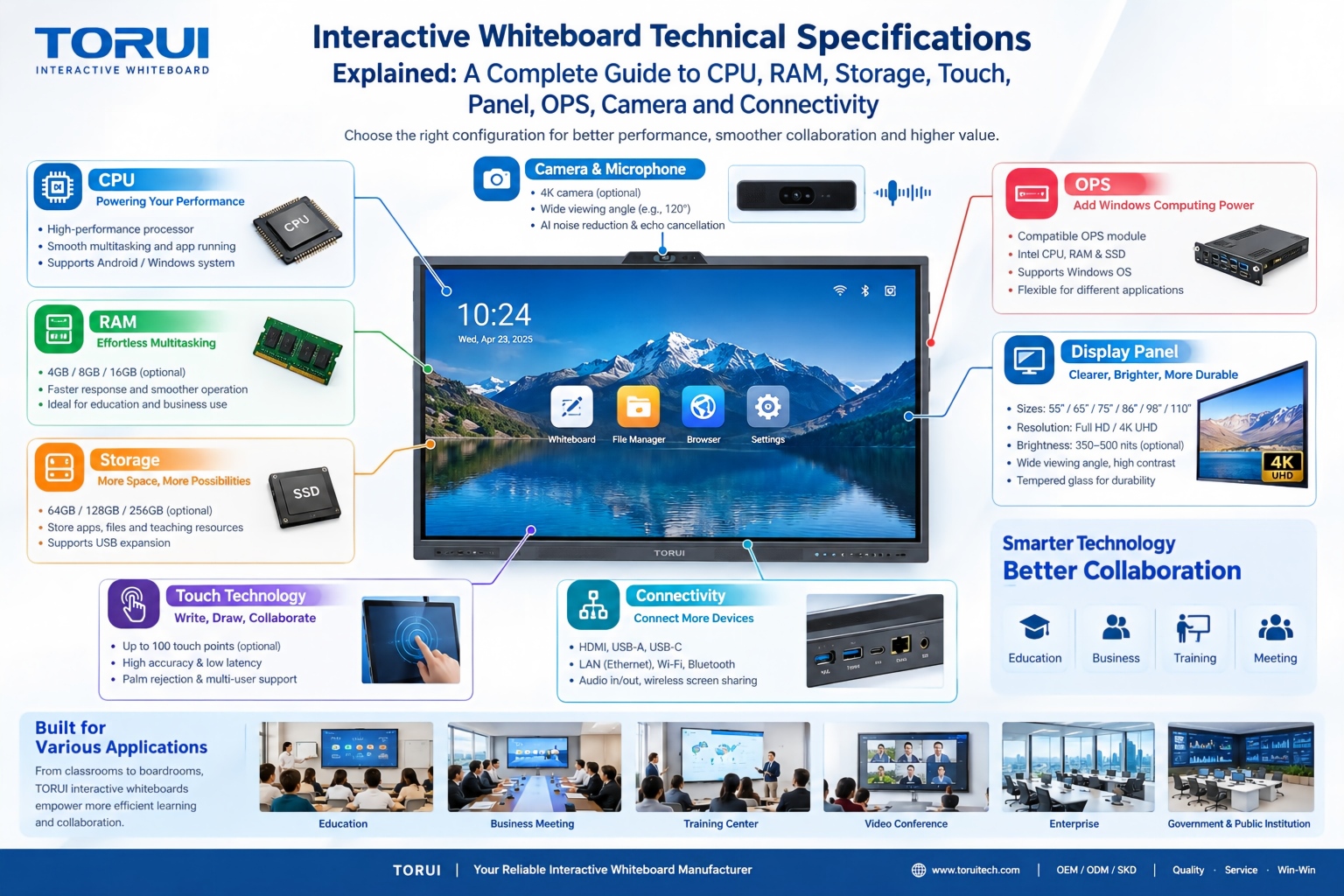
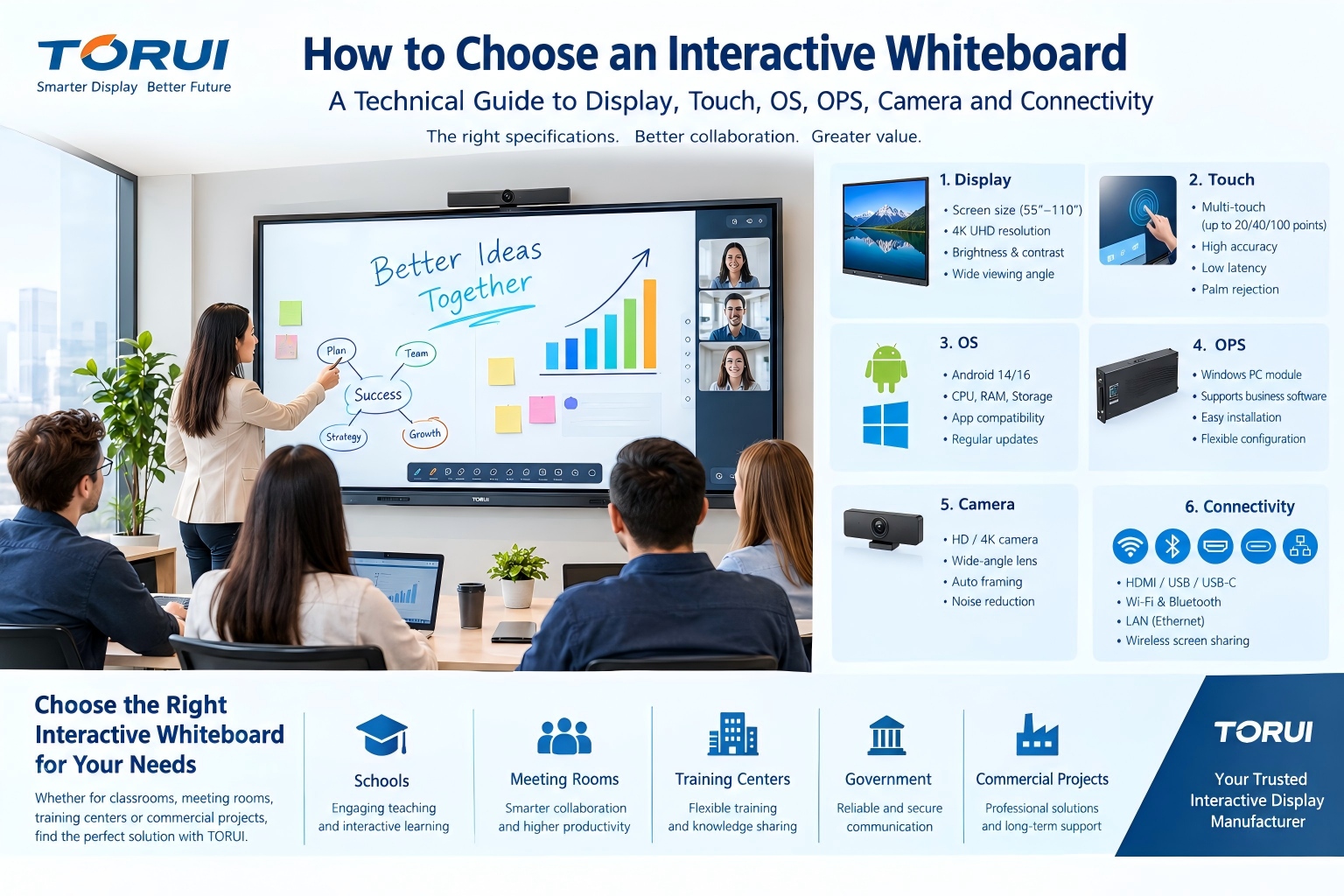
One of the first aspects to evaluate when selecting an interactive whiteboard is the screen size. The screen size should depend on the size of the room, the number of people using the board, and the distance between the board and the participants. A 55-inch IWB might be ideal for smaller meeting rooms, while larger rooms could benefit from screens as big as 75 inches or more.
Resolution is another critical factor. As businesses demand higher-quality visuals, it’s essential to choose an interactive whiteboard with high resolution. In 2026, 4K resolution is becoming the standard for businesses, ensuring sharp and clear images, especially for detailed graphics, videos, and presentations. A higher resolution also supports multitasking, where multiple users can interact with the board simultaneously without any loss of clarity.
2. Touch Sensitivity and Multi-Touch Features
For smooth interaction, the touch sensitivity of the interactive whiteboard is a significant consideration. In 2026, businesses are increasingly relying on boards with highly responsive touch technology. Boards with advanced capacitive touch sensors provide precise, real-time interaction. Multi-touch functionality allows multiple users to interact with the board at once, enabling seamless collaboration in team settings.
When choosing a board, make sure to check the number of simultaneous touch points it can handle. Some advanced models support up to 20 or more touch points, perfect for collaborative environments like brainstorming sessions or interactive training workshops.
3. Software Compatibility and Integration
The software compatibility of the interactive whiteboard is crucial in ensuring that it meets your business needs. Look for a system that supports popular collaboration tools like Microsoft Teams, Zoom, or Google Meet, especially if remote or hybrid work is part of your business structure.
Moreover, the interactive whiteboard should allow integration with other business software like customer relationship management (CRM) tools, project management software, or any specialized applications your business relies on. A system that supports cloud integration will make sharing and accessing files easier, especially in organizations with teams working from different locations.
4. Connectivity Options
As businesses become more interconnected, the need for a variety of connectivity options becomes more crucial. In 2026, most IWBs offer wireless connectivity options such as Bluetooth, Wi-Fi, and screen mirroring capabilities. This means you can connect your laptop, tablet, or even smartphone to the whiteboard without the need for cumbersome cables.
Check if the interactive whiteboard supports HDMI, USB, or VGA inputs in case you need to connect to older devices. Additionally, ensure it can support both wired and wireless options, giving your team flexibility in connecting their devices quickly during meetings or presentations.
5. Interactive Features and Applications
Interactive whiteboards are more than just large screens; they are powerful collaboration tools. Many models come with built-in software designed for educational and business purposes, offering features like annotation, digital whiteboarding, and real-time document collaboration. These features can significantly enhance meetings by allowing you to draw, highlight, and annotate over presentations or documents directly on the board.
Look for a board that supports advanced features such as gesture control, voice recognition, or even Artificial Intelligence (AI) integration. These innovations are becoming more common in interactive whiteboards, allowing for enhanced productivity and smoother workflows.
Additionally, in 2026, interactive whiteboards often come with integrated collaboration apps, such as digital sticky notes, mind mapping tools, and voting systems. These tools are designed to engage participants and encourage brainstorming and idea generation.
6. Durability and Maintenance
The durability of the interactive whiteboard is another important consideration. These devices are frequently used and subjected to physical interactions, so it’s crucial to choose a model made with robust, long-lasting materials. A board with a durable anti-glare, scratch-resistant screen will withstand daily use and maintain its performance over time.
In addition to durability, consider the ease of maintenance. Some models offer self-cleaning screens or require minimal maintenance, which reduces operational downtime. Additionally, manufacturers that provide strong after-sales support and warranty options ensure that you can get quick repairs or replacements when necessary.
7. Budget and ROI
While interactive whiteboards can represent a significant investment, the return on investment (ROI) is substantial when considering the enhanced productivity and collaboration they offer. However, it’s important to choose a model that fits your budget and provides the most value for your investment.
In 2026, there are interactive whiteboards available in a wide range of prices, from budget models for small businesses to high-end versions for large corporations. Consider your usage needs and the features required, and compare prices across brands to ensure you're making a cost-effective choice.
8. Security and Privacy Features
As businesses move to digital platforms, security and privacy become even more important. Choose a model that provides robust security features to protect sensitive information shared during meetings or collaboration sessions. Features such as password protection, encryption, and access controls are essential to ensure that only authorized users can access the content on the board.
9. Customer Reviews and Brand Reputation
Before making a final decision, it's always beneficial to check customer reviews and research the reputation of the brand. User feedback can provide insights into the performance, ease of use, and reliability of the product. A well-established brand with good customer support is usually a safer bet when choosing technology for your business.
Conclusion
Choosing the best interactive whiteboard for your business in 2026 requires careful consideration of several factors, including screen size, touch sensitivity, software compatibility, connectivity options, interactive features, durability, budget, and security features. With the right model, businesses can foster more dynamic and efficient meetings, increase collaboration, and enhance productivity. By selecting an interactive whiteboard that meets your business’s unique needs, you’ll be making a wise investment that supports your company's growth and digital transformation.
2026 Trends in Interactive Whiteboards: What Businesses Need to Know
Global Mainstream Power Plug Types for Interactive Whiteboards
Related Article