Interactive Teaching Program: Transforming Modern Education

An interactive teaching program is reshaping the way educators deliver content and how students engage with knowledge. By integrating digital tools, collaborative methods, and real-time feedback mechanisms, this approach moves beyond traditional lecture-based instruction and creates a more dynamic, student-centered learning environment.
At its core, an interactive teaching program emphasizes participation. Instead of passively receiving information, students actively contribute through discussions, quizzes, simulations, and group activities. This not only improves comprehension but also enhances critical thinking and problem-solving skills. Research consistently shows that learners retain more information when they are directly involved in the learning process.
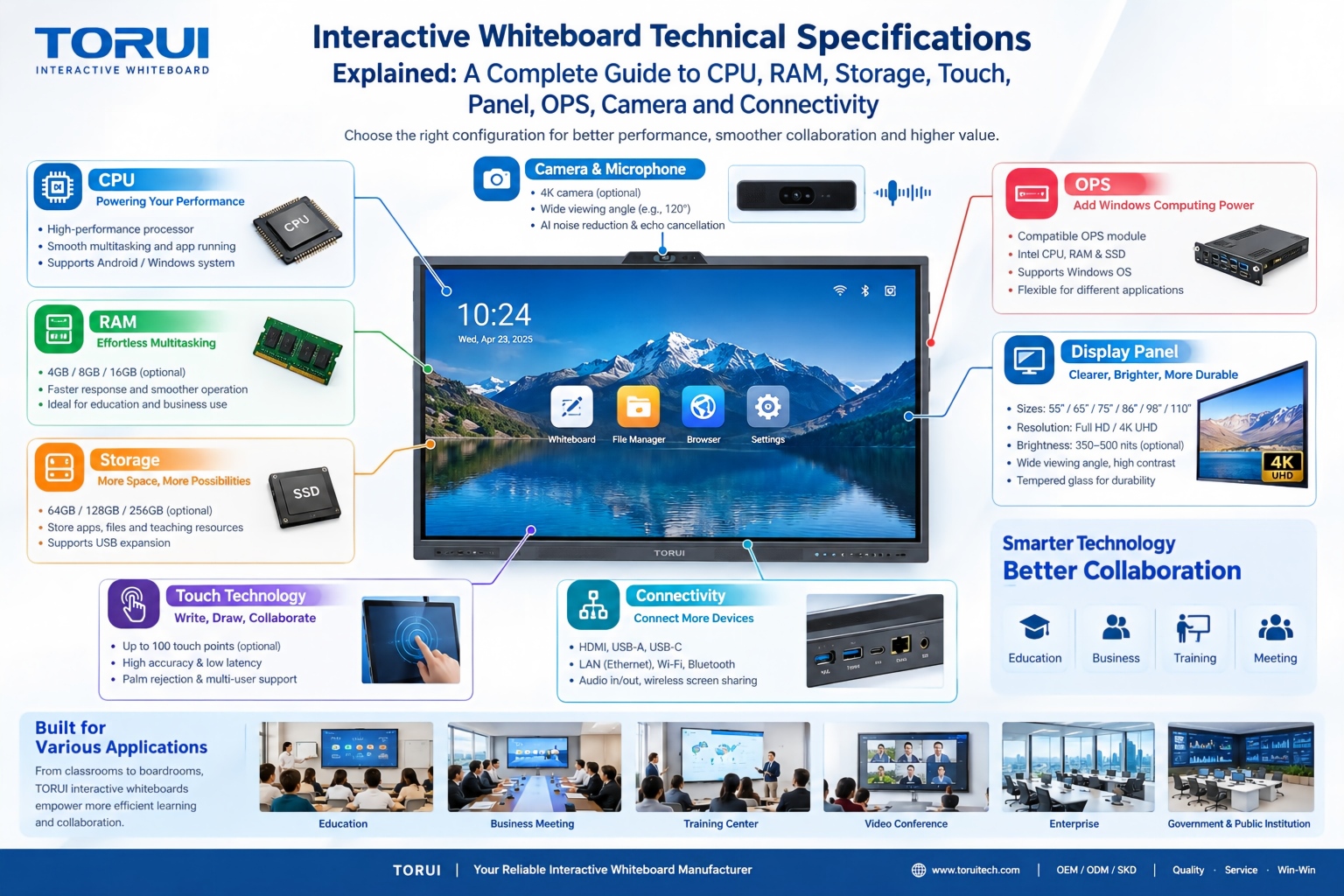
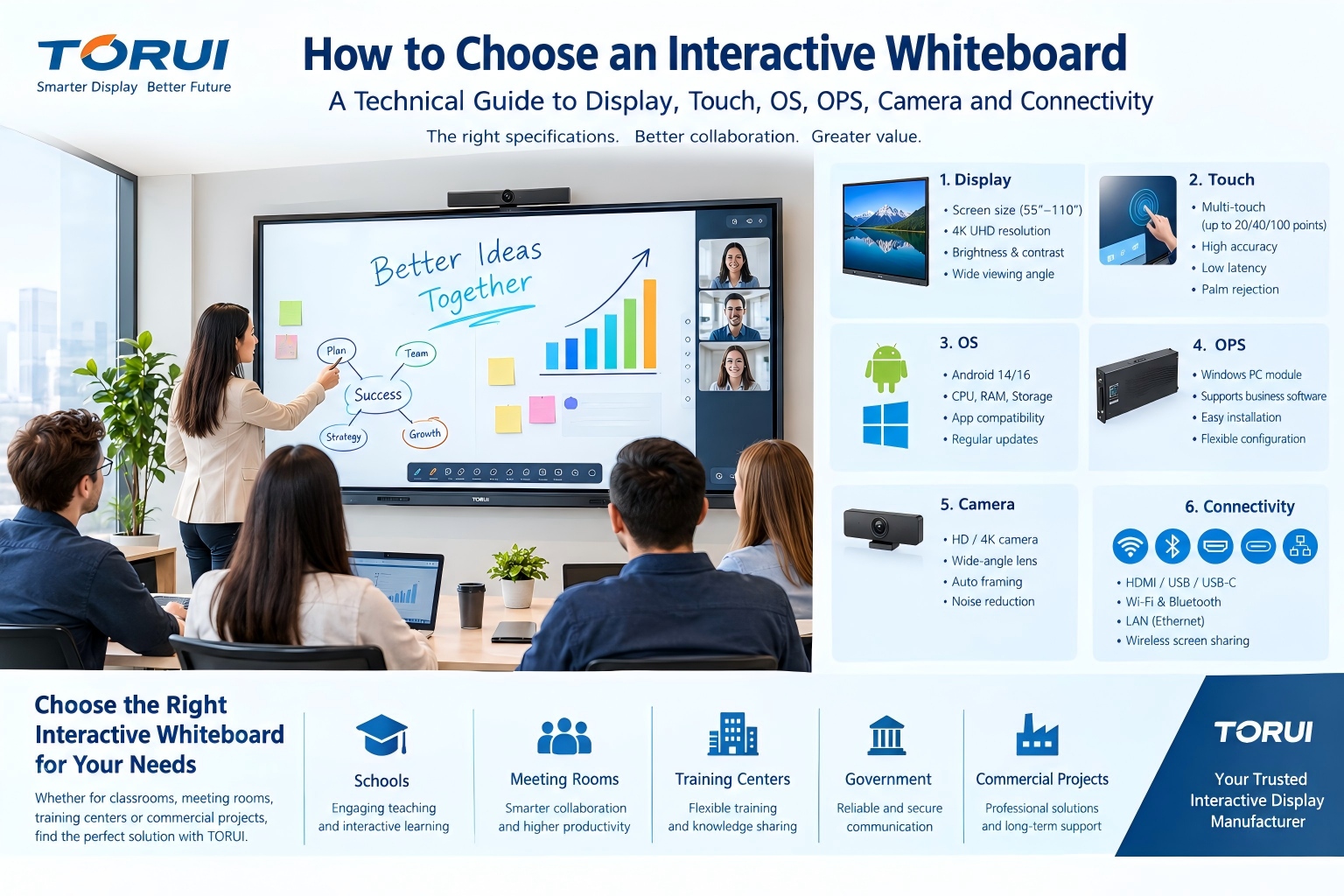
One of the most important components of an effective interactive teaching program is technology integration. Tools such as interactive whiteboards, cloud-based collaboration platforms, and learning management systems enable teachers to present multimedia content, conduct instant assessments, and adapt lessons in real time. For example, interactive displays allow teachers to annotate content, run live polls, and encourage students to solve problems directly on the screen. This creates a more engaging and visually rich classroom experience.
Another key advantage is personalized learning. Interactive teaching programs can cater to different learning styles and paces. Through data analytics and adaptive software, educators can track student performance and adjust instruction accordingly. Students who need extra support can receive targeted resources, while advanced learners can explore more challenging material. This flexibility ensures that no student is left behind.
Collaboration is also a fundamental aspect. Group-based tasks, peer reviews, and project-based learning encourage students to communicate effectively and work as a team. These skills are essential not only for academic success but also for future careers. Interactive teaching fosters a sense of community in the classroom, making learning more enjoyable and meaningful.
Moreover, interactive teaching programs improve assessment methods. Traditional exams are gradually being complemented—or even replaced—by formative assessments such as quizzes, presentations, and real-time feedback tools. Teachers can instantly evaluate understanding and address gaps before they become major issues. This continuous feedback loop leads to better learning outcomes.
However, implementing an interactive teaching program requires careful planning. Schools and institutions must invest in reliable technology, provide teacher training, and design well-structured curricula. Without proper execution, the benefits of interactivity may not be fully realized. Educators should focus on balancing technology with pedagogy, ensuring that tools enhance—not distract from—the learning objectives.
In conclusion, an interactive teaching program represents a powerful shift in modern education. By combining technology, collaboration, and personalized learning strategies, it creates a more engaging and effective learning environment. As education continues to evolve, adopting interactive teaching methods will be essential for institutions aiming to improve student outcomes and prepare learners for a rapidly changing world.
Smart Board: Transforming Modern Education and Business Collaboration
How to Clean an Interactive Whiteboard: A Professional Maintenance Guide
Related Article