Global Schools Accelerate Digital Transformation: Interactive Whiteboard Adoption Rate Hits Record High
As education systems around the world continue to modernize, the adoption rate of interactive whiteboards (IWBs) has reached an unprecedented high in 2025. Driven by post-pandemic digital transformation, government investment in smart classrooms, and a growing demand for collaborative learning, IWBs have become one of the most essential technologies for both K–12 and higher education institutions. This surge signals a major shift toward more engaging, technology-enabled teaching environments across global markets.
One of the primary factors behind this rapid adoption is the global push toward digital education infrastructure. Many countries in Asia, the Middle East, and Europe have launched national smart education programs, encouraging schools to integrate interactive displays, cloud platforms, and hybrid learning systems. These initiatives not only aim to improve teaching efficiency but also ensure students gain digital literacy skills necessary for future careers. As a result, schools are actively replacing traditional projectors and chalkboards with large interactive whiteboards that support touch writing, screen sharing, and connected learning tools.
Teachers also play a significant role in accelerating this transition. Educators worldwide report that interactive whiteboards help simplify lesson preparation, increase student participation, and support more dynamic teaching methods such as real-time annotations, multimedia demonstrations, and interactive quizzes. In classrooms with diverse learning needs, IWBs make it easier to accommodate visual, auditory, and kinesthetic learners, improving overall learning outcomes. This enhanced user experience has made the technology increasingly popular, even in regions that were slower to adopt digital tools in the past.
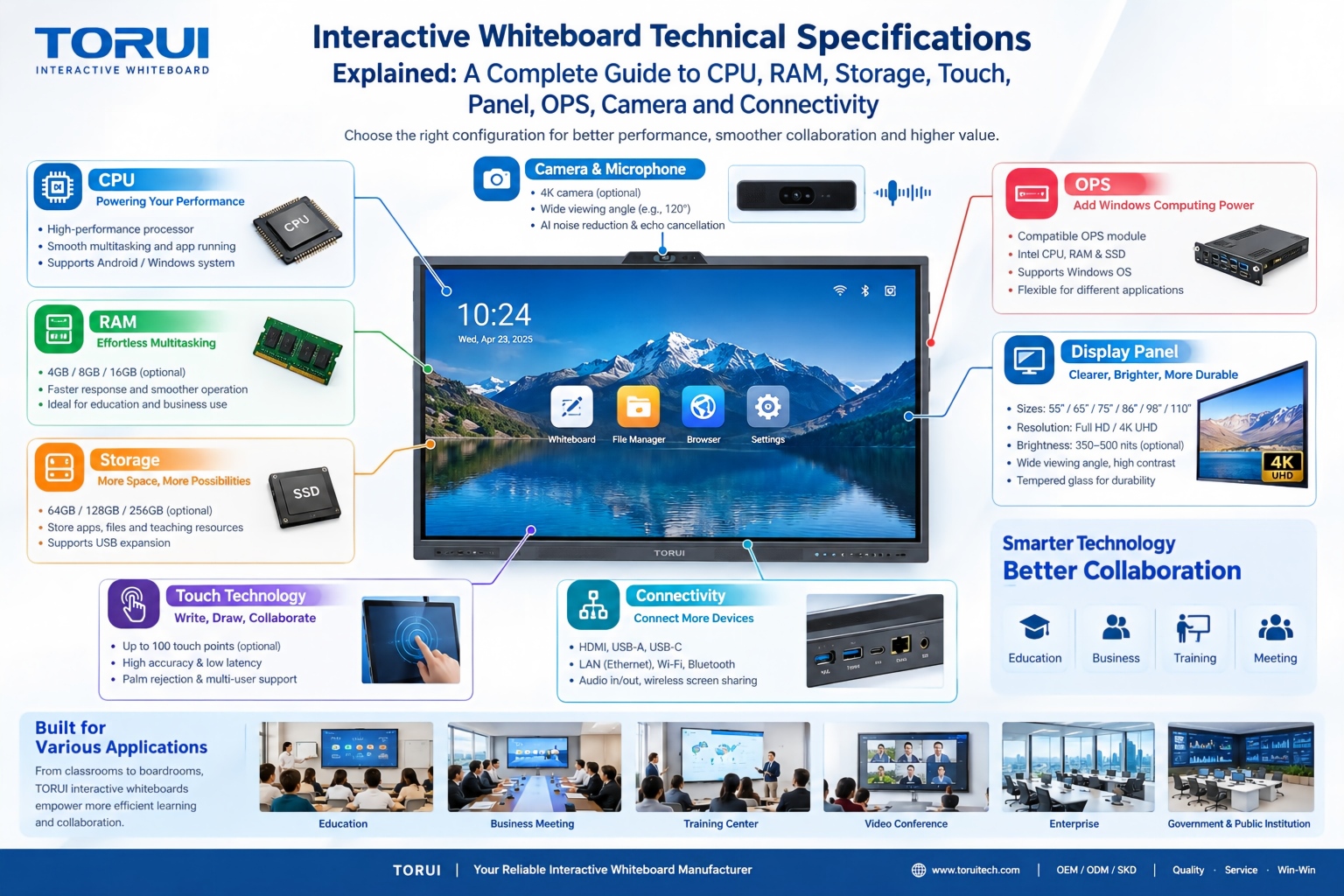
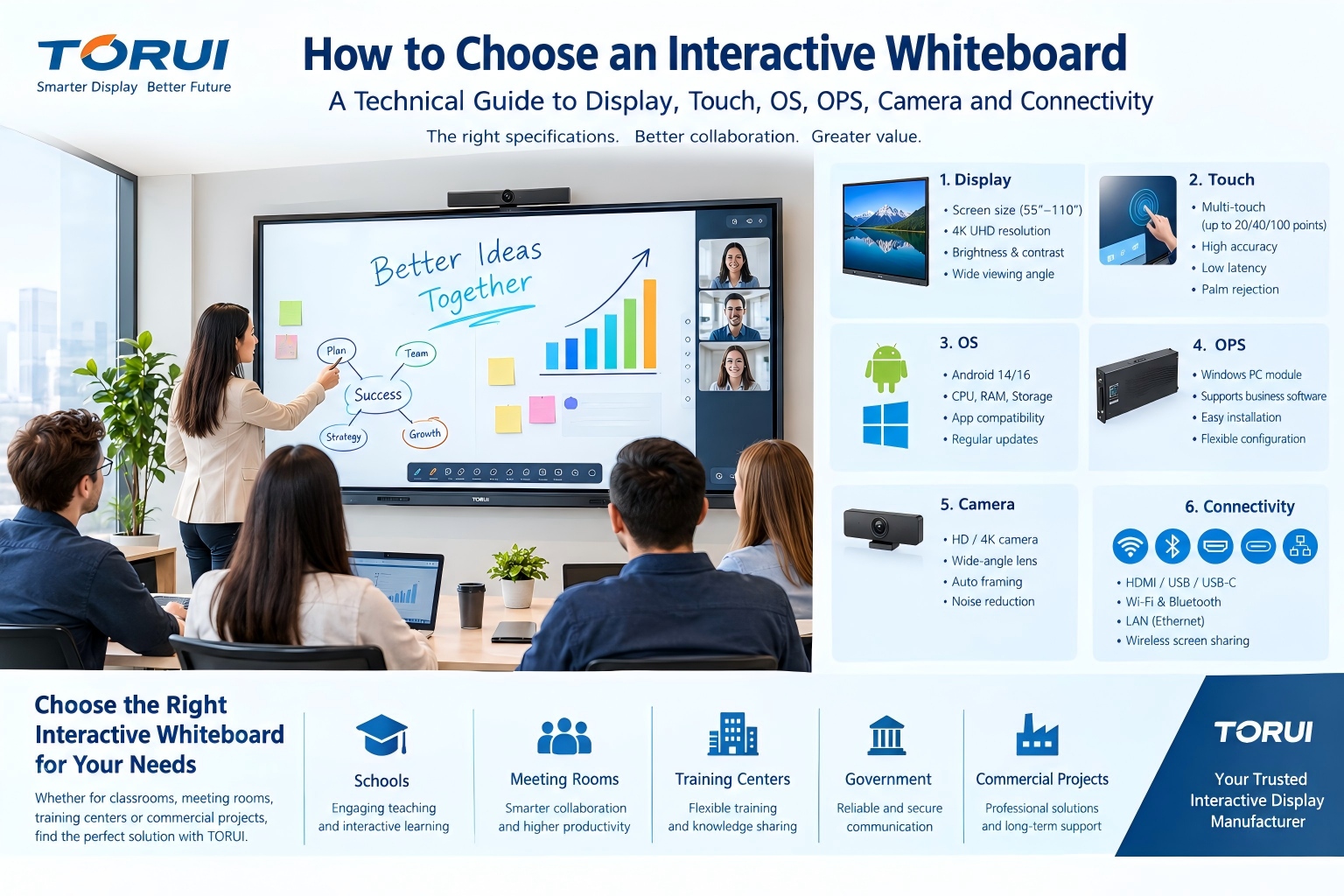
From a technological perspective, advancements in display quality, touch accuracy, and integrated operating systems have made modern interactive whiteboards more reliable and cost-efficient than previous generations. Manufacturers have introduced features such as 4K resolution, multi-touch support, wireless casting, and robust classroom management software. These improvements allow schools to deploy IWBs more seamlessly while reducing the need for additional equipment like projectors, speakers, or external PCs. Lower maintenance costs and longer product life cycles have further contributed to widespread adoption.
Global procurement patterns also reveal interesting market trends. Developing nations in Africa, Southeast Asia, and Latin America are experiencing the fastest growth, supported by international development funds and lower-cost product solutions from major Chinese manufacturers. Meanwhile, mature markets such as Europe and North America continue to replace older equipment and upgrade to larger, more advanced displays. The combination of expanding demand and improved affordability ensures that interactive whiteboard adoption will continue rising in the coming years.
Despite the overall positive outlook, schools still face challenges during digital transformation. Issues such as teacher training, network infrastructure, and long-term device management remain important considerations. Many institutions now prioritize professional development programs to ensure teachers can make full use of IWB features, maximizing the return on investment. Additionally, cloud-based management and remote support tools are becoming increasingly common, helping IT departments maintain devices more efficiently.
Looking ahead, the role of interactive whiteboards in education is expected to grow even further. With the rise of AI-assisted teaching platforms, real-time translation tools, and integrated learning analytics, IWBs are evolving from simple display devices into central hubs for intelligent classrooms. Schools that embrace these technologies early will be better positioned to offer personalized learning experiences and enhance the overall quality of education.
In summary, the record-high adoption rate of interactive whiteboards reflects a decisive global shift toward digital learning. As technology continues to advance and educational goals evolve, IWBs will remain a key component of modern classrooms, supporting more interactive, inclusive, and future-ready teaching environments.
China's Interactive Whiteboard Manufacturing Upgrades: Factory Automation Reaches New Milestones
What Specs to Check When Importing Interactive Whiteboards from China: Certifications, Shipping, and Quality Control
Related Article