Interactive Whiteboard Market Analysis in Central Asia
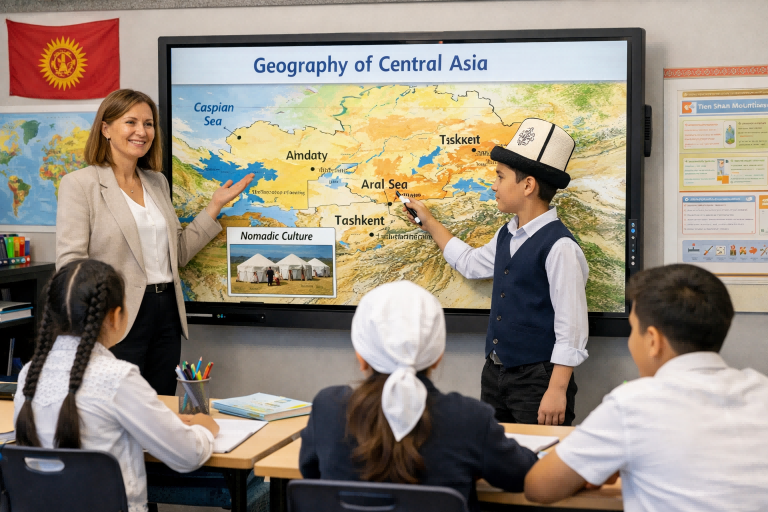
Central Asia, consisting of countries like Kazakhstan, Uzbekistan, Turkmenistan, Kyrgyzstan, and Tajikistan, is a region witnessing gradual but steady growth in the adoption of interactive whiteboards (IWBs). The region, characterized by a mix of developing and transitional economies, presents unique challenges and opportunities for the interactive whiteboard market. As the countries of Central Asia focus on modernizing their education systems, the demand for advanced digital tools, including IWBs, is growing. This article will explore the market trends, key drivers, challenges, and opportunities shaping the interactive whiteboard industry in Central Asia.
Market Overview
The market for interactive whiteboards in Central Asia is still in its early stages but is showing significant potential due to the region's increasing commitment to education reform and modernization. As governments invest in education and infrastructure, the demand for IWBs—used for enhancing interactivity and engagement in classrooms—has begun to rise, particularly in urban areas and larger educational institutions.
Countries like Kazakhstan and Uzbekistan are at the forefront of digital transformation efforts. Kazakhstan, with its Vision 2050 plan, is making substantial investments in education, while Uzbekistan's reform policies aim to create a more dynamic and interactive learning environment. However, other countries in the region are lagging in terms of technology integration, which creates a market for educational technology companies to establish their presence.
Key Market Drivers
-
Government Investments in Education
One of the most significant drivers for the IWB market in Central Asia is the growing focus on education reform and modernization. Governments in Kazakhstan, Uzbekistan, and other Central Asian countries have recognized the importance of digital tools in enhancing the quality of education. Kazakhstan’s "Digital Kazakhstan" program, for example, aims to integrate modern technologies into schools, including IWBs, to promote interactive learning. In Uzbekistan, the focus on education is part of a broader strategy for human capital development. These initiatives create demand for interactive whiteboards to improve educational outcomes. -
Increasing Demand for Smart Classrooms
The growing shift towards smart classrooms is another key factor driving the adoption of IWBs in Central Asia. As traditional teaching methods are increasingly seen as inadequate for today’s digital generation, the need for interactive and engaging tools has surged. Schools are turning to IWBs to create dynamic and collaborative learning environments, allowing for multimedia presentations, real-time collaboration, and enhanced student participation. In Kazakhstan, large-scale initiatives in public education seek to equip schools with smart technologies, positioning IWBs as an integral part of modern classrooms. -
Technological Advancements and E-Learning
The rise of e-learning platforms and the integration of digital technologies in education are contributing to the demand for IWBs. As the use of online learning platforms increases, especially in response to the COVID-19 pandemic, the need for more interactive and immersive learning tools like IWBs is becoming more evident. IWBs allow for seamless integration with digital content and e-learning platforms, providing a flexible solution for both physical and remote classrooms. -
Rising Infrastructure Development
Central Asian governments are heavily investing in infrastructure development, including the modernization of educational institutions. This includes the construction of new schools and the upgrading of old facilities to meet modern educational standards. These upgrades often involve the installation of smart classroom solutions such as IWBs, which offer schools an effective way to integrate technology into their curriculum.
Challenges Facing the Market
-
High Cost of Technology
The high initial investment required to install interactive whiteboards remains one of the major barriers to adoption in Central Asia. While governments are investing in educational technologies, many schools, particularly in rural or economically disadvantaged areas, lack the budget to invest in IWBs. This is particularly evident in countries like Tajikistan and Kyrgyzstan, where budgets for educational technology are still limited. -
Infrastructure Limitations
In some areas of Central Asia, there are still challenges in terms of internet connectivity and electricity reliability, which can hinder the effective use of IWBs. While urban areas in Kazakhstan and Uzbekistan may have the infrastructure to support advanced educational technology, more remote regions face difficulties in accessing reliable internet or maintaining stable electricity supplies, limiting the overall effectiveness of IWBs. -
Cultural and Educational Resistance to Change
Central Asia has a rich tradition of education, but its systems are often centered on rote learning and traditional teaching methods. This educational culture can be a barrier to the adoption of interactive technologies like IWBs. Teachers may be resistant to adopting new tools and methods without adequate professional development or training. Thus, introducing IWBs requires not only providing the hardware but also extensive training and support to educators.
Opportunities for Market Growth
-
Government and International Funding
As the governments of Central Asia continue to prioritize education reform, there is an opportunity for international educational technology companies to collaborate with local governments and institutions. By securing contracts for large-scale deployments of IWBs, businesses can tap into funding available through state programs or international grants focused on education. -
Educational Partnerships and Local Distribution
Partnering with local distributors and educational institutions can be an effective strategy to penetrate the Central Asian market. Local partners can help overcome logistical challenges, while collaborations with schools and universities can enhance the credibility and market presence of interactive whiteboard manufacturers. Establishing a strong local network will be crucial in driving adoption. -
Localized Content and Solutions
The development of region-specific content and solutions tailored to the Central Asian educational curriculum will be an important factor for successful IWB adoption. Manufacturers can create custom software and learning applications that meet the specific needs of the region, ensuring better alignment with local educational goals. Providing language support for the region’s primary languages, such as Kazakh, Uzbek, and Tajik, will also make the products more accessible. -
Private Sector Adoption
While the education sector is a key driver of demand, the private sector, particularly in corporations and training centers, also offers a growing market. Companies in Central Asia are increasingly adopting digital tools for training and collaborative work. The use of IWBs in corporate training rooms and government offices could significantly boost market adoption.
Conclusion
The interactive whiteboard market in Central Asia presents a growing opportunity as the region embarks on a journey of educational and technological reform. Despite challenges related to cost, infrastructure, and resistance to change, the demand for IWBs is being driven by government initiatives, the rise of smart classrooms, and technological advancements in e-learning. With strategic partnerships, localized solutions, and continued investment in education, the interactive whiteboard market in Central Asia is poised for significant growth in the coming years.
TORUI Interactive Whiteboard Certifications: CE, FCC, RoHS and What They Mean for Buyers
TORUI Interactive Whiteboard 2025 Year-End Promotional Campaign: A Special Offer for Our Valued Customers
Related Article