Interactive Whiteboard Market Analysis in Europe and North America
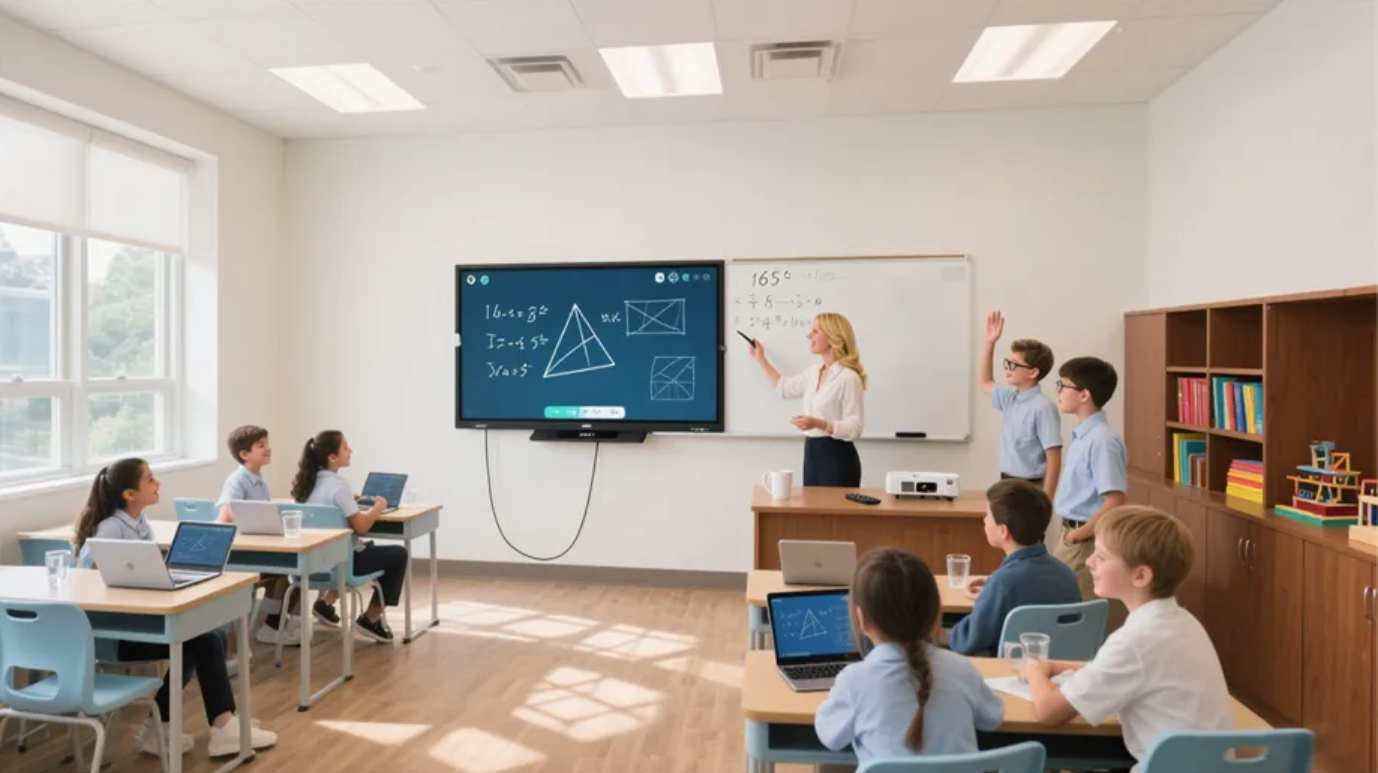
The interactive whiteboard (IWB) market in Europe and North America continues to grow steadily, driven by digital transformation in education and the rapid adoption of smart collaboration tools in business environments. With strong infrastructure, high digital literacy, and government support for educational technology, both regions remain at the forefront of global IWB adoption.
1. Market Overview and Growth Trends
North America and Europe represent the largest markets for interactive whiteboards worldwide. In North America—particularly the United States and Canada—over 60% of schools have adopted interactive teaching solutions. European countries such as the United Kingdom, Germany, France, and the Nordic region are also advancing “digital classroom” initiatives that integrate interactive learning technologies into education.
The market is projected to grow at a compound annual growth rate (CAGR) of 7–9% over the next five years. Continuous innovation in touch technology, cloud-based collaboration, and AI-powered classroom tools will further enhance user engagement and learning outcomes.
2. Key Application Fields
Education
Education remains the dominant application segment. Interactive whiteboards enable teachers to deliver engaging, multimedia lessons through touch interaction, wireless casting, and real-time feedback, transforming traditional classrooms into dynamic digital learning spaces.
Corporate Collaboration
In Europe and North America, enterprises prioritize team collaboration and remote work. Interactive whiteboards are increasingly used in video conferencing, project brainstorming, and content sharing, improving productivity and communication efficiency.
Government and Training Institutions
Public organizations and vocational training centers also adopt IWBs for remote training, data visualization, and policy presentations, highlighting their versatility beyond classrooms.
3. Competitive Landscape
The market is highly competitive, with leading brands such as SMART Technologies dominating the segment. However, Chinese manufacturers such as TORUI are rapidly expanding their presence by offering cost-effective, customizable solutions that meet local education project requirements.
Buyers in the region emphasize touch accuracy, system compatibility (Windows and Android), after-sales service, and software ecosystem integration when selecting products.
4. Opportunities and Challenges
The growing emphasis on digital education, hybrid learning, and AI integration presents significant opportunities for manufacturers. However, challenges remain — including market saturation, product homogenization, and high standards for support and maintenance.
Brands seeking entry into the European and North American markets should focus on software innovation, cloud integration, and localized service to strengthen competitiveness and build long-term partnerships.
Conclusion
The interactive whiteboard market in Europe and North America will continue its strong momentum, fueled by smart education, digital collaboration, and AI-driven applications. Companies that prioritize high-quality displays, intelligent software integration, and user-friendly interaction experiences will capture the greatest market value in the years ahead.
How Interactive Whiteboards Transform Mathematics Teaching
Interactive Whiteboard Market Analysis in the Middle East (2025 Update)
Related Article