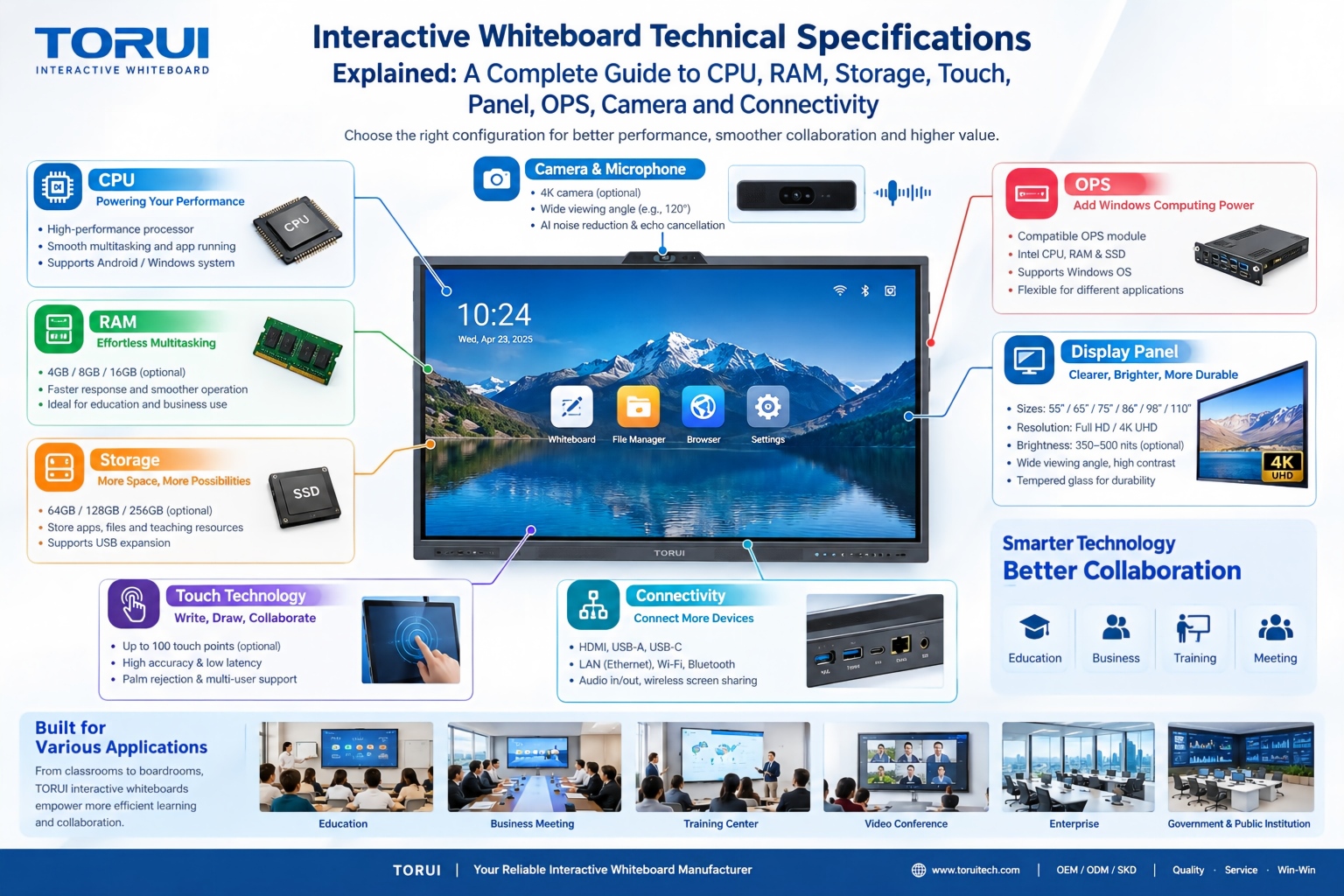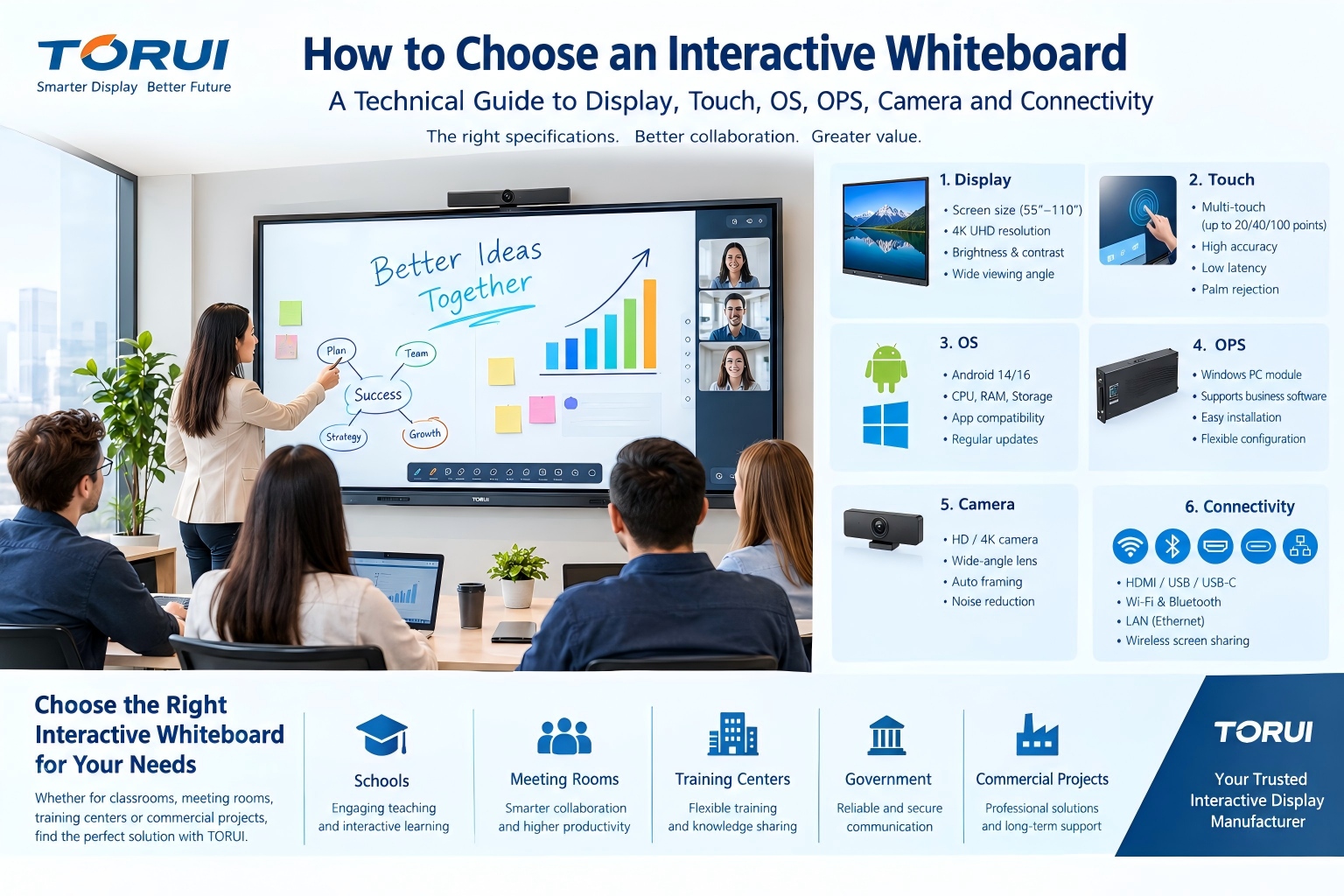
Interactive Whiteboards: Revolutionizing Learning and Meetings
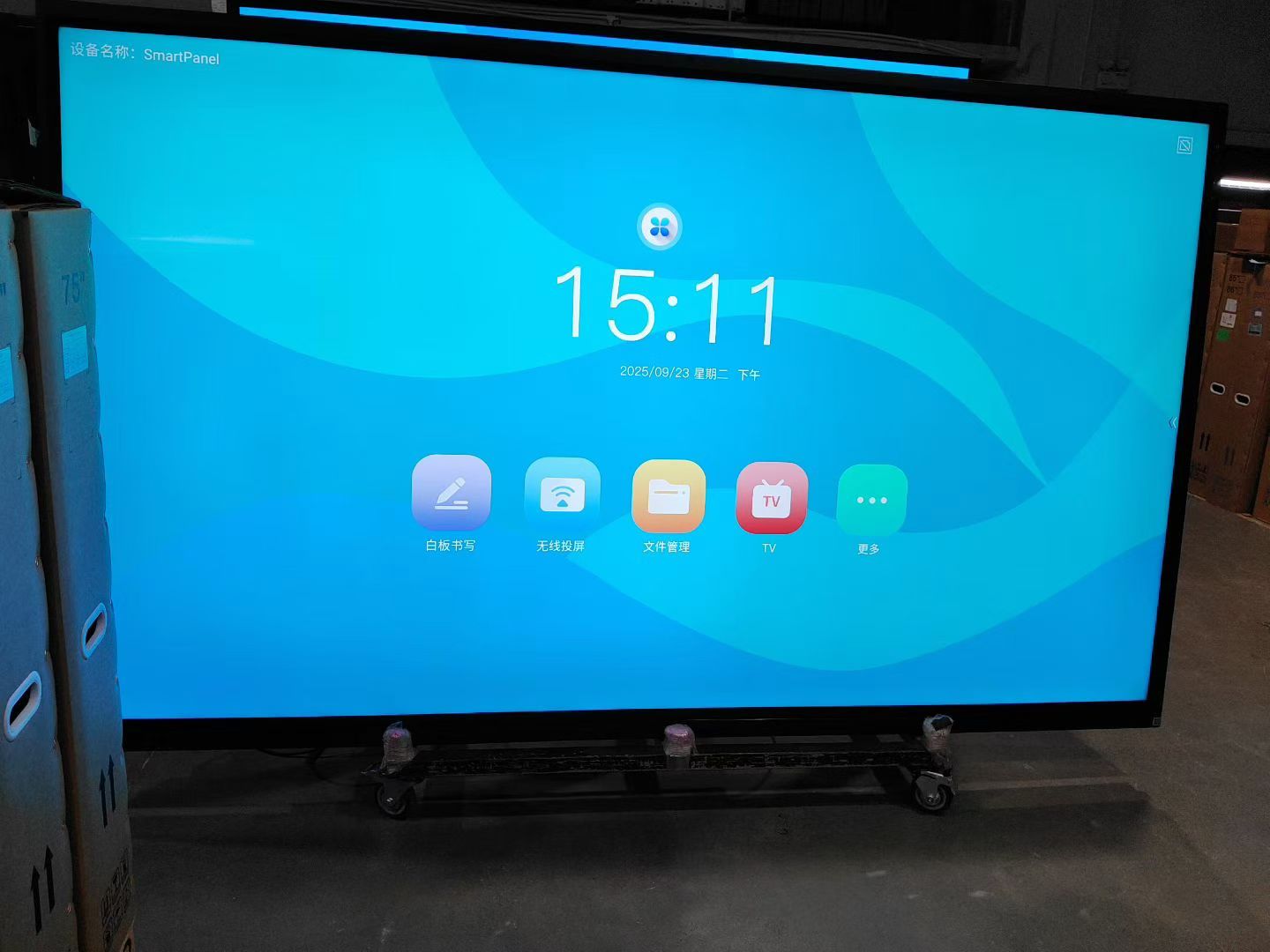
In today's fast-paced, technology-driven world, traditional methods of learning and conducting meetings are no longer enough to engage participants or foster productivity. This is where interactive whiteboards (IWBs) come in—transforming the way we learn, collaborate, and communicate in both educational and corporate settings. Whether in a classroom or a boardroom, IWBs provide a dynamic, engaging platform that enhances user experience and boosts efficiency. This article explores how interactive whiteboards make learning and meetings more captivating, efficient, and productive.
1. Enhancing Engagement and Interaction
The primary advantage of interactive whiteboards is their ability to engage users in ways that traditional blackboards and whiteboards cannot. Unlike passive methods of teaching or presenting, IWBs encourage active participation. In classrooms, teachers can integrate multimedia elements such as videos, animations, and real-time annotations into lessons, which significantly enhances students' learning experiences. For example, instead of merely reading from a textbook, students can visually interact with the content, participate in discussions, and even manipulate objects on the screen.
In corporate meetings, IWBs foster collaboration by allowing participants to share ideas in real-time. Participants can add notes, highlight key points, and even brainstorm together, ensuring everyone is on the same page. This interactive environment promotes critical thinking and problem-solving, making meetings more productive and effective.
2. Facilitating Dynamic and Visual Learning
IWBs provide a visual and hands-on learning experience that caters to different learning styles. For visual learners, the ability to see information presented graphically makes it easier to understand complex concepts. For kinesthetic learners, interacting with the board—whether by drawing, highlighting, or moving objects—adds an element of physical engagement that reinforces learning.
In addition, IWBs enable teachers and facilitators to adapt lessons and presentations on the fly. Whether it’s adjusting the pace of a lesson to suit student needs or responding to new ideas during a meeting, the flexibility of IWBs allows for real-time customization, creating a dynamic learning or meeting environment.
3. Streamlining Communication and Collaboration
In corporate meetings, communication is often hindered by the lack of visual tools and the difficulty of managing multiple participants. IWBs eliminate these challenges by providing a central platform for all participants to interact with. Whether it’s brainstorming, sharing presentations, or even editing documents, IWBs enable seamless communication and collaboration.
For remote teams, IWBs integrated with video conferencing tools ensure that virtual meetings are just as effective as in-person ones. Participants can still write on the board, share ideas, and annotate documents, just as they would in a traditional meeting room.
4. Improving Productivity and Time Management
Interactive whiteboards streamline both learning and meeting processes, helping to save time and improve overall productivity. In education, students can access materials, resources, and lessons at their fingertips, reducing the need for traditional paper-based resources. Teachers can also quickly assess students' understanding by using interactive quizzes or surveys, providing instant feedback that can guide future lessons.
In meetings, IWBs allow for quick decision-making and real-time updates to documents. This reduces delays often caused by manual note-taking or waiting for participants to follow along with slides. Additionally, IWBs provide a platform for all meeting materials to be stored and accessed after the meeting, ensuring continuity and ease of reference.
5. Supporting Data and Analytics
In both classrooms and meetings, IWBs collect valuable data that can be used to improve future learning or meetings. Teachers can track students’ engagement and performance, allowing them to adjust teaching methods and focus on areas that need improvement. Similarly, in corporate settings, meeting leaders can analyze the notes and ideas shared on the board to gauge team engagement and identify key action points.
6. Environmental Benefits and Sustainability
Traditional methods of teaching and conducting meetings often rely on paper-based resources—whether it’s handouts, worksheets, or notes. IWBs contribute to sustainability by reducing the need for paper, as everything can be stored digitally. This not only reduces the environmental impact but also ensures that materials can be easily accessed and reused in the future.
Conclusion
Interactive whiteboards have revolutionized both learning and corporate meetings by making them more interactive, engaging, and efficient. With their ability to integrate multimedia, foster collaboration, and streamline communication, IWBs ensure that participants stay engaged and productive throughout the process. As the world continues to embrace digital transformation, the role of IWBs in shaping the future of education and business will only grow, providing valuable tools for both learners and professionals.
By embracing interactive whiteboards, we can create more effective, engaging, and sustainable learning and meeting environments, where ideas flow freely, and productivity thrives.
The T985 Motherboard for Interactive Whiteboards: Essential Features and Benefits
China's Interactive Whiteboard Manufacturing Upgrades: Factory Automation Reaches New Milestones
Related Article