Interactive Whiteboards: The Technology Behind the Scenes

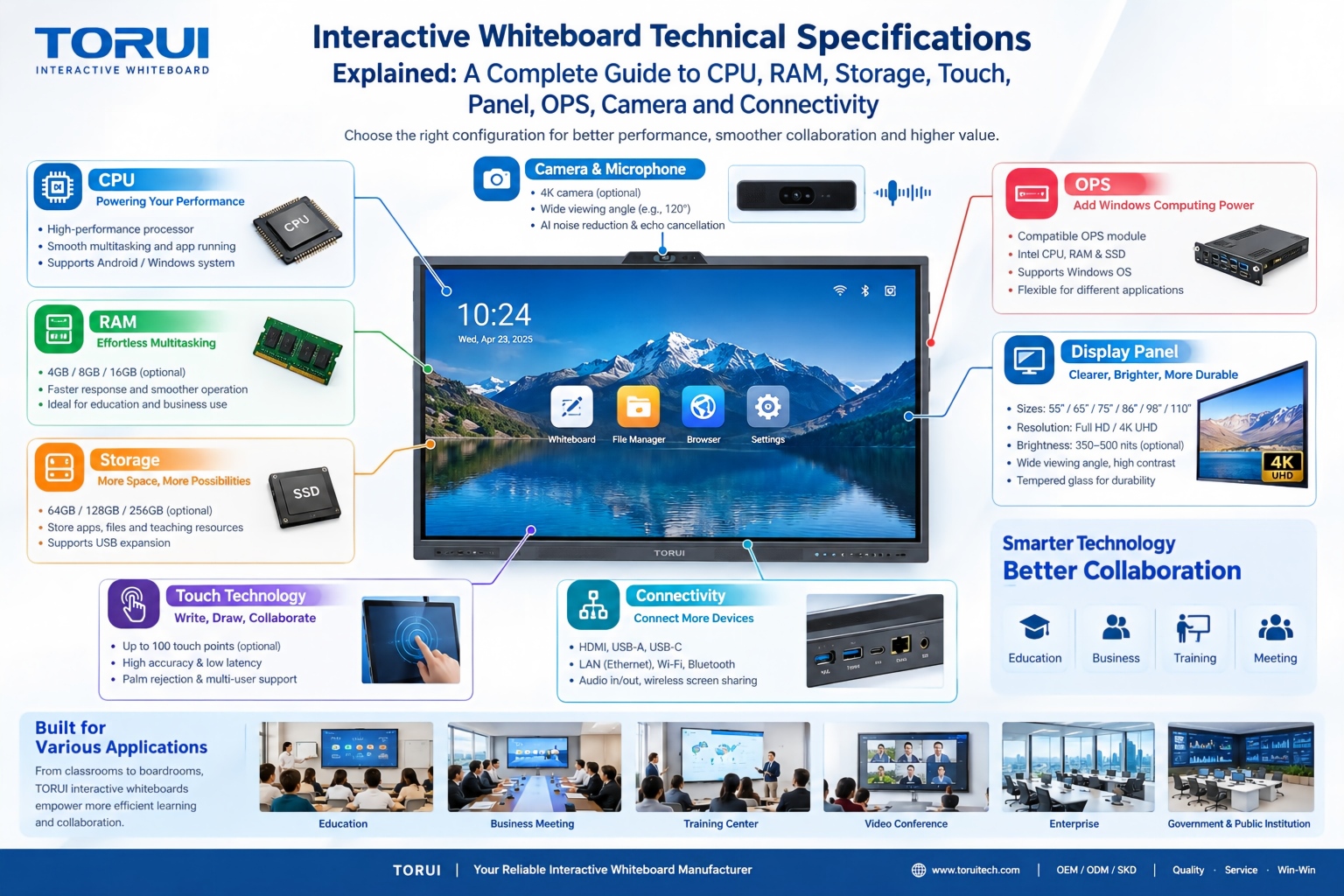
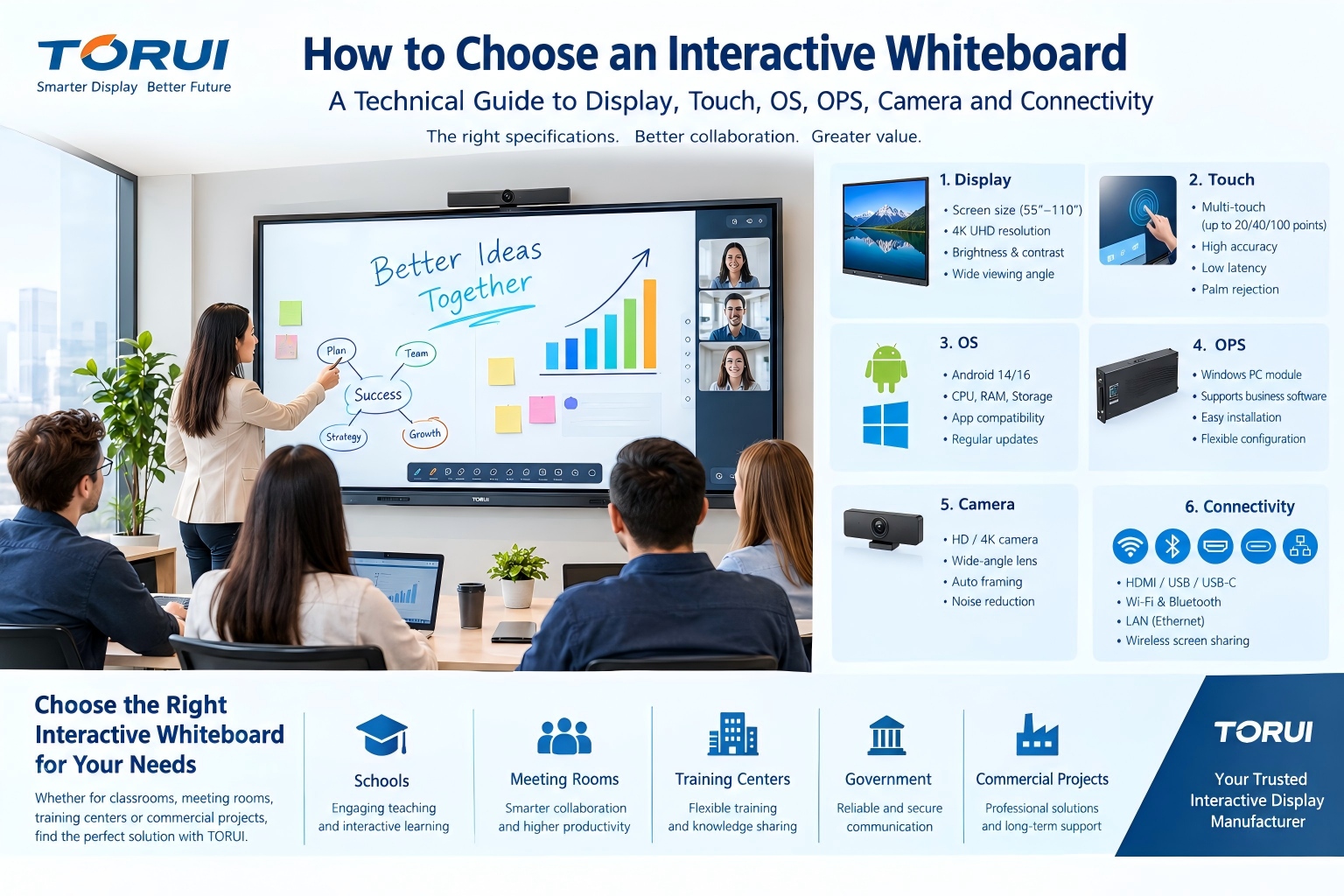
In the digital age, interactive whiteboards (IWBs) have become a cornerstone of modern classrooms, corporate meetings, and collaborative spaces. These advanced devices offer an intuitive, engaging way to present information, allowing users to interact with content directly through touch, writing, or gestures. But what makes these devices tick? In this article, we will break down the technology behind IWBs, explaining how they work, the key components that power them, and how they are transforming traditional learning and collaboration.
What is an Interactive Whiteboard?
An Interactive Whiteboard (IWB) is a large, touch-sensitive display that connects to a computer or other media sources, allowing users to interact with projected content. The board serves as both a display and an input device, enabling users to touch, write, and manipulate digital content directly on the screen. IWBs are widely used in educational settings for teaching and learning, as well as in business environments for presentations and brainstorming sessions.
Unlike traditional whiteboards, IWBs integrate advanced technologies that enhance interactivity, making them valuable tools for dynamic presentations, creative workshops, and real-time collaboration.
Key Technologies Behind Interactive Whiteboards
The technology behind IWBs is an intricate combination of several key components that enable touch interactivity, content display, and seamless integration with various devices. The primary technologies used in IWBs include touch-sensitive surfaces, projection systems, and software integration. Let’s take a closer look at each of these elements.
1. Touch Sensing Technologies
The touch surface of an interactive whiteboard is what makes it "interactive." Different IWBs employ distinct touch technologies, each with its advantages and limitations. The most common touch technologies include:
Resistive Touch Technology
One of the earliest forms of touch technology, resistive touch technology consists of two flexible layers separated by a small gap. When pressure is applied to the screen, the two layers make contact, creating a circuit that is detected by the system.
-
How it Works: When the screen is touched, the top layer presses against the bottom layer, causing a change in the electric field. This change is detected, and the system interprets the location of the touch.
-
Advantages: This technology is highly cost-effective and can be operated with various input methods, such as fingers, styluses, or pens.
-
Disadvantages: It lacks the precision and responsiveness of more advanced systems and doesn't support multi-touch functionality as effectively.
Capacitive Touch Technology
Capacitive touch screens are increasingly popular in modern interactive whiteboards. This technology utilizes the conductive properties of the human body to detect touch. Capacitive screens are highly responsive and support multi-touch, making them ideal for interactive applications.
-
How it Works: The screen is coated with a conductive material (such as indium tin oxide), and the system detects changes in the electrostatic field when a finger or conductive stylus touches the surface.
-
Advantages: Capacitive screens offer high accuracy, multi-touch capabilities, and excellent responsiveness. They also do not require pressure to detect touch.
-
Disadvantages: Capacitive touch systems generally only work with conductive objects (like fingers or specialized styluses), which can limit flexibility.
Electromagnetic (EM) Technology
Electromagnetic touch technology is another popular choice, especially in educational settings. It uses a combination of electromagnetic fields and a specialized stylus to detect touch.
-
How it Works: The IWB has an electromagnetic grid embedded in the surface, while the stylus emits a magnetic field. The board detects the position of the stylus by sensing changes in the electromagnetic field.
-
Advantages: EM technology offers high precision and reliability, making it ideal for tasks requiring accuracy, such as drawing and writing.
-
Disadvantages: While it excels at precision, it generally does not support multi-touch gestures, and users need to use a specialized pen or stylus.
2. Projection Systems
To display content on the interactive whiteboard, many systems use digital projectors. The projector is essential for showing images, videos, or presentations from a connected computer, which are then displayed on the IWB’s surface. Some modern IWBs eliminate the need for a traditional projector, using built-in touch screens instead.
-
How it Works: The projector projects content onto the whiteboard, and the IWB's touch-sensitive surface detects any interaction, such as writing or gestures, in real-time. The projector's quality and calibration are crucial for accurate image display.
-
Advantages: The integration of a projector allows IWBs to display a wide range of digital content from external devices. Projection also enables large-scale content viewing in classrooms or conference rooms.
-
Disadvantages: The image quality can be affected by external factors such as lighting conditions and the distance between the projector and the board. Additionally, calibration is essential to ensure accurate touch-to-content mapping.
3. Software Integration
A critical component that distinguishes IWBs from traditional whiteboards is their software. IWB software not only enables the board to interpret touch and gestures but also adds a variety of features that make interactions more engaging. These programs are designed for specific applications, from teaching tools in classrooms to productivity-enhancing features for business meetings.
-
How it Works: The IWB software interacts with both the board and the computer to interpret touch signals. It offers tools such as virtual pens, highlighters, and annotation tools, which enable users to draw, write, and interact with the displayed content.
-
Advantages: IWB software can integrate with a wide range of digital resources, such as educational apps, multimedia content, and collaborative tools, enhancing user experience and engagement.
-
Disadvantages: Software compatibility can sometimes be an issue, especially when using different operating systems or software platforms. The learning curve for new users can also be steep, requiring time to master the available tools.
4. Connectivity and Cloud Integration
Modern IWBs are highly integrated with cloud-based applications, offering seamless connectivity to a wide range of devices, from laptops to tablets and smartphones. This integration enables real-time collaboration and sharing of content, which is crucial in educational and business settings.
-
How it Works: With cloud connectivity, users can store and retrieve content from cloud storage services, share interactive whiteboard sessions in real-time, and collaborate with others remotely.
-
Advantages: Cloud integration allows for efficient collaboration and sharing, especially in remote or hybrid work environments. It also ensures that data is easily accessible and secure.
-
Disadvantages: The reliance on a stable internet connection and the need for compatible software platforms can sometimes pose challenges, particularly in areas with limited connectivity.
The Evolution of Interactive Whiteboards
The development of interactive whiteboard technology has been rapid, with significant advances in touch sensitivity, projection quality, and software capabilities. As technology continues to evolve, we can expect even more sophisticated features, such as:
-
Artificial Intelligence (AI) Integration: AI could be used for advanced recognition of hand gestures, handwriting, or speech, enabling more intuitive interaction with the IWB.
-
Enhanced Multi-Touch Capabilities: Future IWBs may support even more complex touch gestures, allowing multiple users to interact with the screen simultaneously for collaborative activities.
-
Virtual and Augmented Reality (VR/AR): We may see the integration of VR and AR in IWBs, allowing for immersive learning and presentation experiences.
Conclusion
Interactive whiteboards are powerful tools that bridge the gap between traditional and digital methods of communication. The underlying technologies—such as capacitive touch, electromagnetic sensors, and projection systems—make IWBs responsive, versatile, and easy to use. As these devices evolve, they will continue to transform the way we collaborate, teach, and interact with digital content. Understanding the technology behind IWBs can help educators, businesses, and users make the most of this dynamic and valuable tool.
By combining precise touch input, seamless content display, and powerful software, IWBs have changed the way we present and interact with information, paving the way for a more interactive and engaging future.
What Specs to Check When Importing Interactive Whiteboards from China: Certifications, Shipping, and Quality Control
Factory Strength Introduction: Delivering Reliable Interactive Whiteboards Through Professional Manufacturing Excellence
Related Article