Modern Smart Classroom: Transforming Education Through Technology

In the digital age, education is undergoing a profound transformation, and the modern smart classroom stands at the center of this evolution. A smart classroom integrates advanced technologies such as interactive whiteboards, AI-assisted teaching tools, high-speed internet, and cloud-based learning platforms to create a dynamic and engaging environment for both teachers and students. This shift not only enhances the quality of education but also prepares learners for the challenges of a technology-driven future.
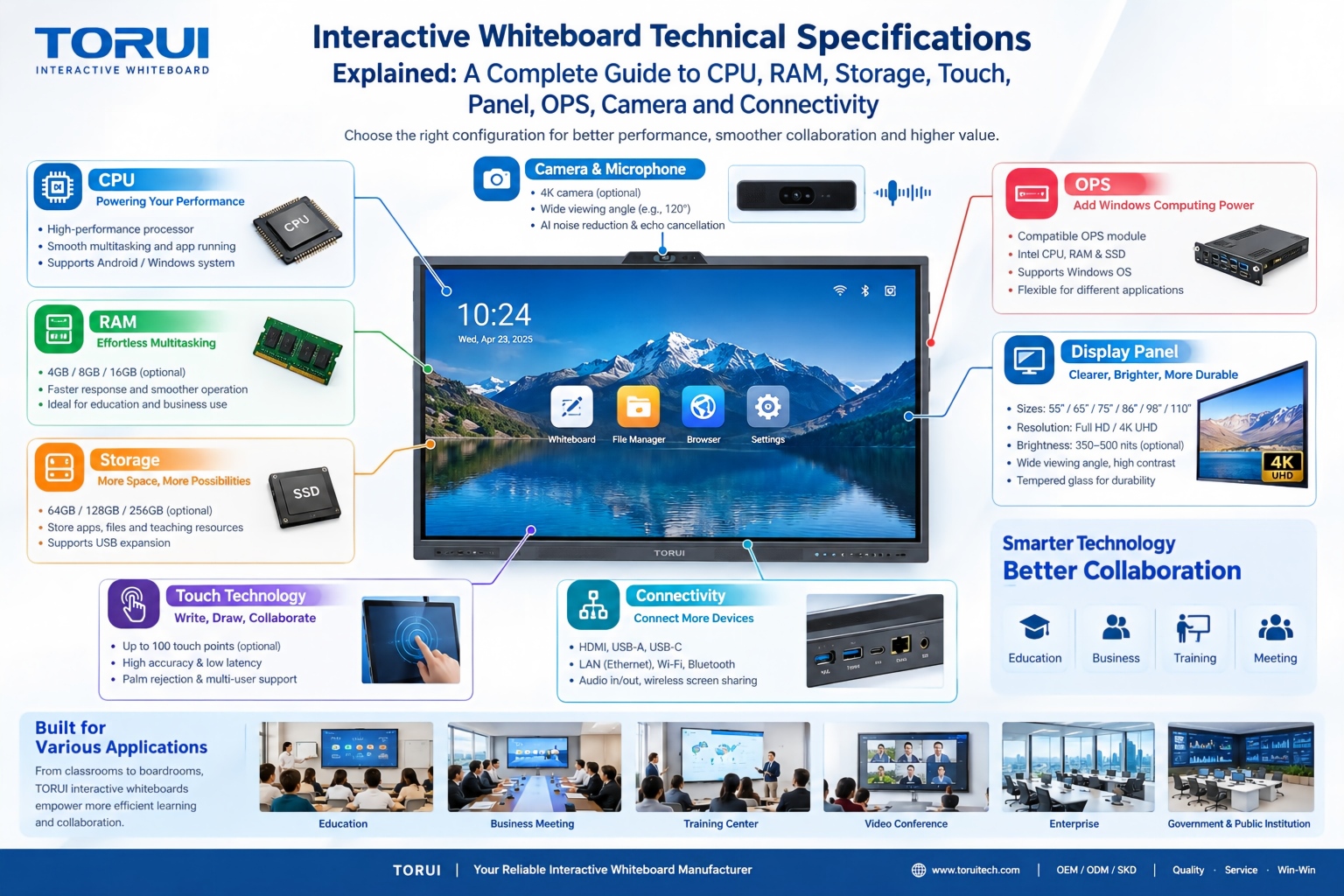
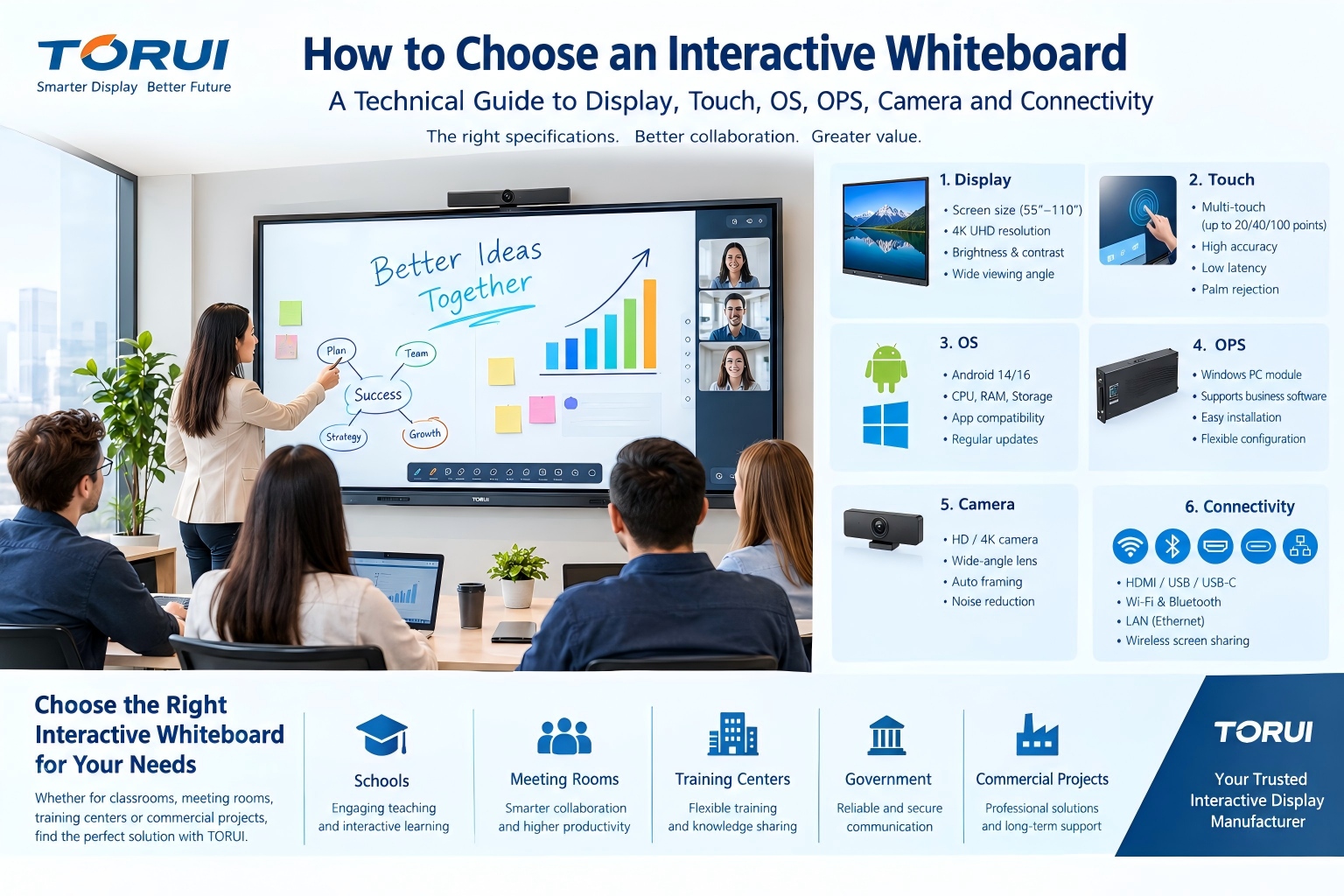
One of the key components of a modern smart classroom is the interactive whiteboard. Replacing traditional chalkboards, these devices allow teachers to display multimedia content, annotate lessons in real time, and collaborate with students interactively. For instance, a history teacher can show 3D maps, play documentary clips, or invite students to highlight key points on the screen. This level of engagement increases retention, encourages participation, and makes lessons more enjoyable.
Another vital element is the integration of smart devices and digital learning platforms. Tablets, laptops, and cloud-based software enable students to access study materials anytime, anywhere. Teachers can assign tasks, monitor progress, and provide instant feedback through online systems. Moreover, adaptive learning technologies powered by AI can personalize learning paths based on each student’s strengths and weaknesses, ensuring a more effective and individualized educational experience.
The modern smart classroom also emphasizes collaboration and connectivity. Through video conferencing and virtual classrooms, students can connect with peers and educators across the world. This global learning environment fosters cultural exchange, teamwork, and critical thinking—skills that are essential in today’s interconnected society. Additionally, tools such as smart projectors and wireless sharing devices make it easy for multiple users to contribute to discussions simultaneously.
From an administrative perspective, smart classrooms streamline operations. Attendance systems, digital grading, and automated scheduling reduce the workload for teachers and school staff. Energy-efficient lighting and climate control systems, often managed through IoT technology, contribute to sustainability and cost-effectiveness.
In conclusion, the modern smart classroom is more than just a technologically equipped room—it represents a new philosophy of education that blends innovation with interactivity. By integrating smart tools, digital resources, and data-driven insights, schools can provide a more engaging, efficient, and inclusive learning experience. As technology continues to evolve, the smart classroom will remain a cornerstone of educational progress, shaping a generation ready to thrive in the digital world.
Benefits of Introducing Interactive Whiteboards in Schools
Quality Control Process for Smart Boards: Step-by-Step
Related Article